
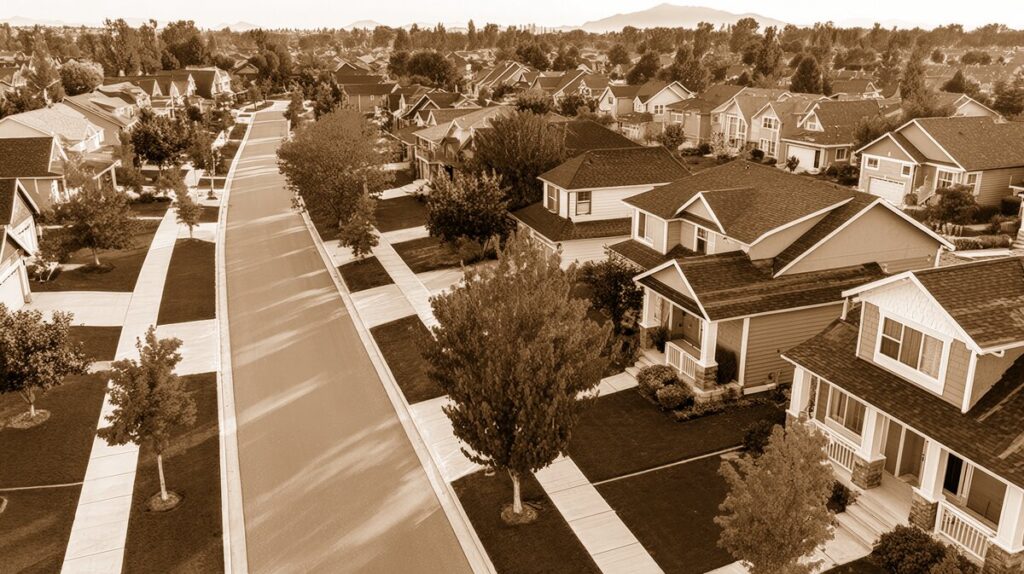
If you ask longtime Allen residents about places where the spirit of the city’s past still flourishes, Montgomery Farm always comes up. This unique community, nestled amidst green landscapes in West Allen, is more than a collection of charming homes and scenic trails—it’s a living tribute to an earlier era, reimagined for modern families. Let’s take a stroll back through time to discover how Montgomery Farm grew from open prairie into one of the most thoughtfully planned neighborhoods in Collin County.
Origins: Where History Took Root
The land that became Montgomery Farm traces its legacy all the way back to the 19th century, when pioneers first settled the rolling prairie north of Dallas. Before the homes, shops, and trails, this acreage was the heart of the Montgomery cattle ranch. The Montgomery family, whose stewardship of the land eventually lent the neighborhood its name, were among the early agricultural leaders in the Allen area. Their fortunes mirrored those of so many Texas ranchers—working hard in tune with the land, raising cattle, and helping to establish Allen’s reputation for industriousness and southern hospitality.
It’s said that the ranch’s boundaries stretched roughly between what are now Ridgemont Drive and Alma Road to the west, and along Bethany Drive to the north—a footprint that’s still visible in the open spaces and tree stands along streets like Montgomery Boulevard and Watters Road.
What’s in a Name? Honoring the Montgomery Family
The Montgomery name was always synonymous with integrity and a pioneering spirit in Allen. When plans began surfacing in the early 2000s to develop this extraordinary parcel, community leaders and descendants of the founding family collaborated to plan a neighborhood that would honor the land’s storied past. Rather than erasing history, the developers dedicated swathes of greenbelt and walking trails to keep the area’s agricultural roots alive.
By officially naming the area Montgomery Farm, the vision was to blend yesterday’s values with today’s needs: a place where families could grow, just as the Montgomerys once did, while forging deep connections to the land and to each other.
Key Milestones in the Neighborhood’s Growth
Montgomery Farm is the product of intentional, gradual development—a rarity in suburban sprawl. Here are some of the key milestones in its transformation:
- 2000s: Ground is broken on the first phase of Montgomery Farm. The guiding principle: sustainable development. This meant preserving mature trees, native grasses, and creating a pedestrian-friendly layout catering to both nature lovers and modern families.
- 2003: Construction begins on the iconic modern farmhouse homes, with architecture that nods to rural Texas but offers 21st-century amenities.
- 2005: The Connemara Meadow Nature Preserve, long an undeveloped tract in the family, is formally opened to the public. Managed by the Connemara Conservancy Foundation, this 72-acre oasis has become the neighborhood’s treasured ecological jewel.
- 2012: The Shops at Watters Creek open just across Bethany Drive, providing a vibrant blend of shopping, dining, and outdoor experiences—integrating community-centered commercial space just a walk or bike ride away for Montgomery Farm’s residents.
Notable Landmarks and Hidden Gems
What distinguishes Montgomery Farm is how its layout brings both history and nature directly to neighbors’ doorsteps. Some must-see highlights include:
- Connemara Meadow Nature Preserve: At the north edge of Montgomery Farm, accessible via Meandering Way, this preserve is a living museum. Wildflowers, native grasses, and migrating birds thrive, much as they did in centuries past. Residents enjoy regular bird walks and wildflower hikes here, keeping the legacy of stewardship alive.
- The Historic Allen Water Tower: Visible to the east near Greenville Avenue, the water tower stands as a sentinel over Allen’s evolution—once marking the town’s reach, now visible from Montgomery Farm and a reminder of how the city grew around its agricultural core.
- Montgomery Farm Estates Park: On Trails End Drive, this pocket park offers updated playgrounds and open lawns, often hosting neighborhood events and giving a nod to the former fields of the Montgomery ranch days.
- Artful Streetscapes: Montgomery Farm’s winding streets—like Splendor Court, Liberty Way, and Watters Road—are lined with native landscaping and dotted with artistic sculptures and trail markers, blending culture with the environment.
A Place That Grows With Every Generation
Montgomery Farm was never just about building houses—it was about crafting a sustainable legacy. From its earliest days, developers focused on maintaining eco-conscious standards. This includes energy-efficient homes, community recycling programs, and connecting residents through an extensive trail system that links to both Watters Creek Trail and Allen’s broader greenbelt network.
Today, kids walk or bike along tree-canopied paths to Mary Evans Elementary, itself a modern school designed with Montgomery Farm’s green philosophies in mind, adjacent to rolling meadows and neighborhood parks. The annual spring wildflower blooms along Ridgeview Drive and Montgomery Boulevard are a nod to the land’s original state—one locals and newcomers alike gather to admire each year.
Montgomery Farm isn’t static—it changes with each new family, each birthday gathering in its parks, and every community festival at nearby Watters Creek. Yet it’s steadfast in a commitment to preserving its sense of place, where Allen’s rural roots meet contemporary vibrancy.
Conclusion: Why Montgomery Farm Remains Special
To walk Montgomery Farm’s trails is to take a gentle step back in time, even while embracing the best of modern Allen. The neighborhood’s story is written in the names of its streets, the wildflowers in the meadow, the laughter of children in its parks, and the resilience of its community spirit. For all who call it home, Montgomery Farm is more than a neighborhood—it’s a living reminder of what happens when you honor heritage while looking ahead.